


1.48 s mean per draft
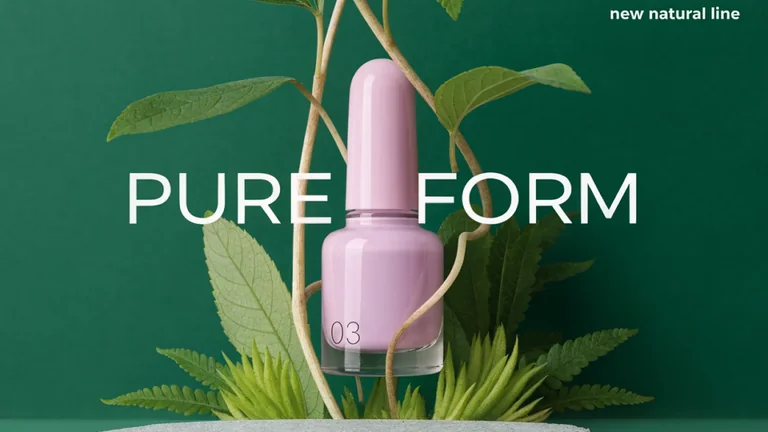
Poster headlines that hold a layout
Put the exact headline in quotes, name the lettering direction and say which part of the frame stays empty. Judge the draft at thumbnail size before you refine it.
By Recraft
Draft poster headlines, packaging and storybook art in about 1.5 seconds, then rerun the direction you like.
Design drafts
Flash V2 suits the first version of a design idea: a headline in place, a brand name on packaging, type on a wall, or a room in the right light. Each example below came from a text prompt alone, with no reference image.
1.48 s mean per draft
Put the exact headline in quotes, name the lettering direction and say which part of the frame stays empty. Judge the draft at thumbnail size before you refine it.
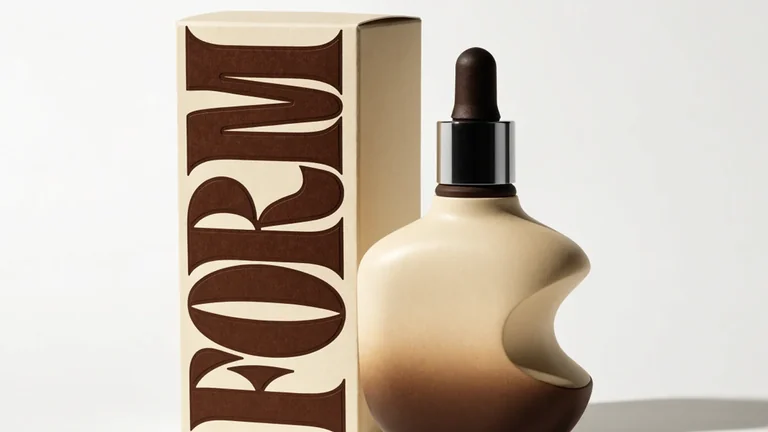
2 credits per image
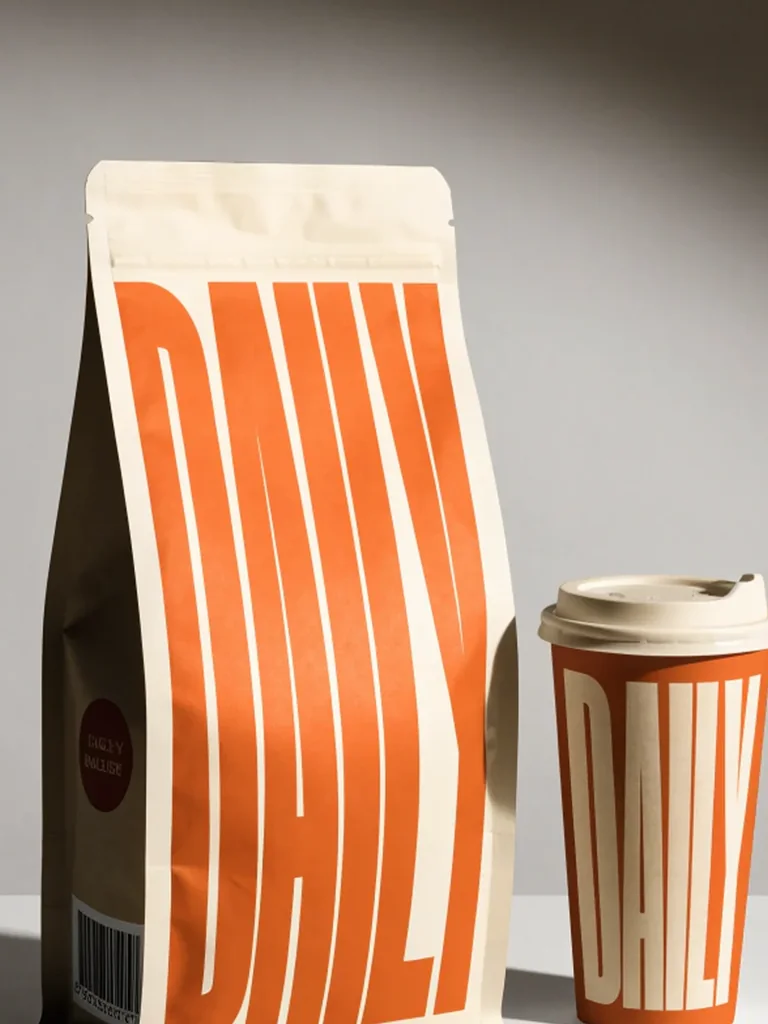
Name the product, the material and the face that carries the brand, then add a camera angle and a light direction. Use it to set a concept direction; final dielines still belong in layout software.
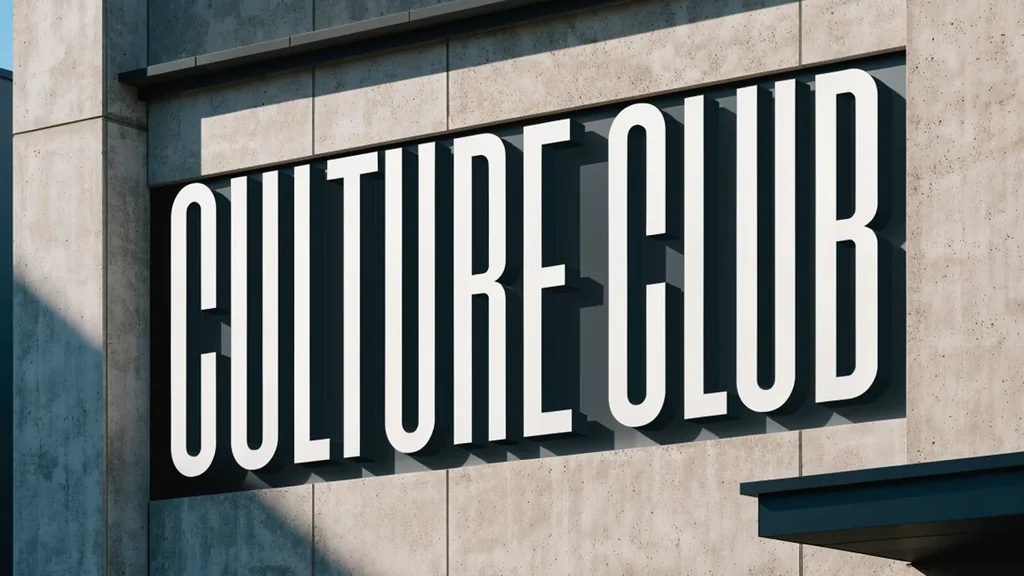
1K raster output
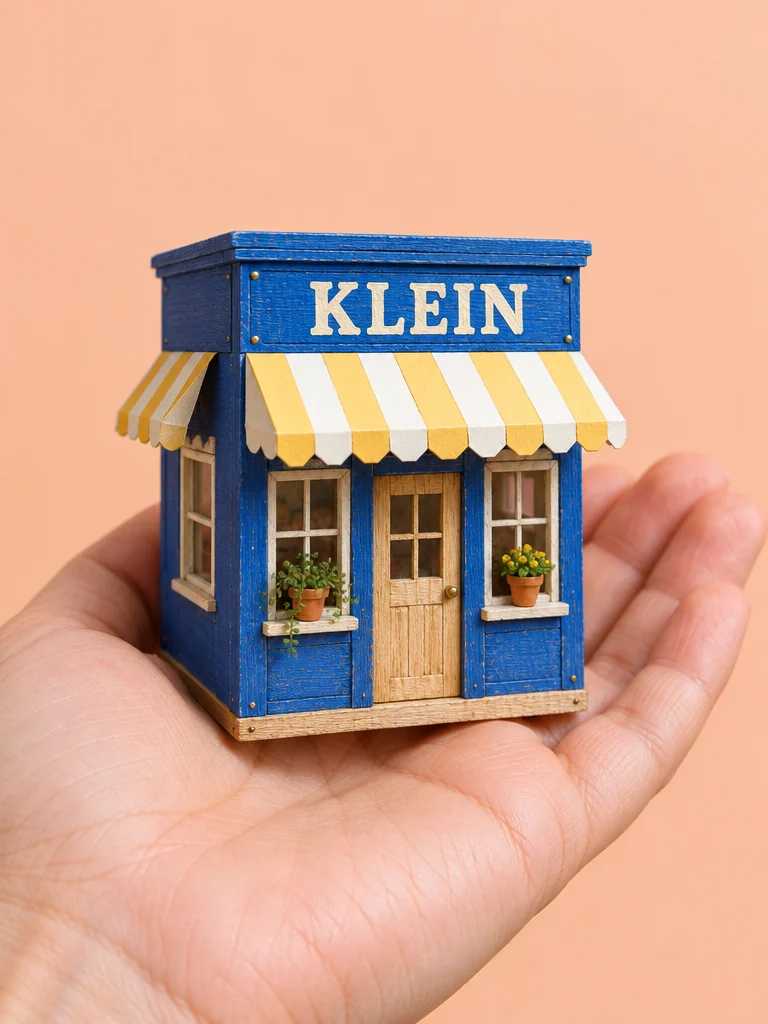
Ask for a storefront, a wall sign or wayfinding, then describe the surface: concrete, painted steel, backlit acrylic. Short names read best at this scale.
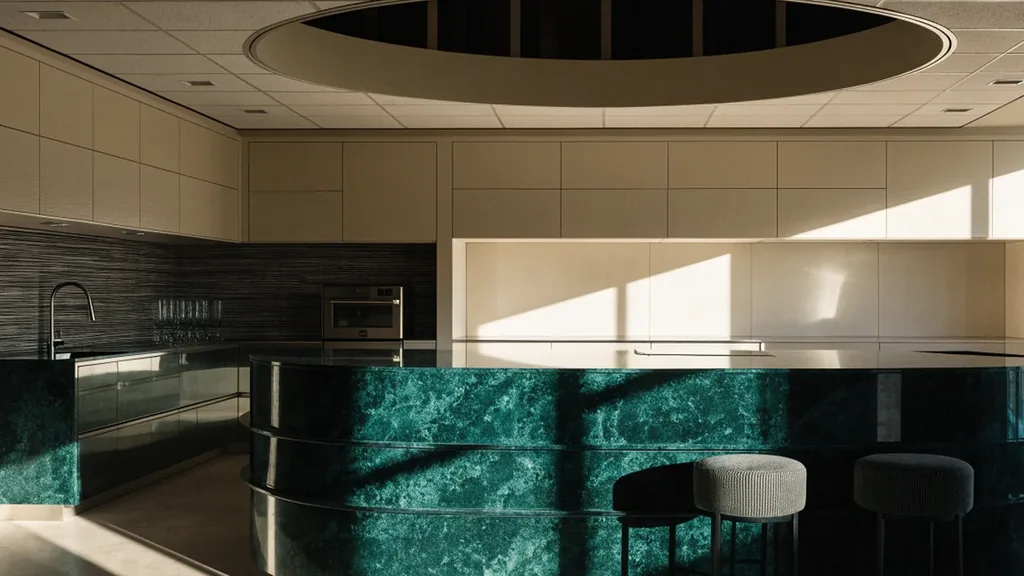
5 aspect ratios
Describe the room, the surface finish and where daylight enters. A wide frame suits a room; a tall frame keeps the ceiling and the floor in view.
Lettering
Flash V2 keeps short lettering legible inside the frame, which makes it useful for wordmarks and environmental graphics. The limit is length: a few words per line, not a paragraph.
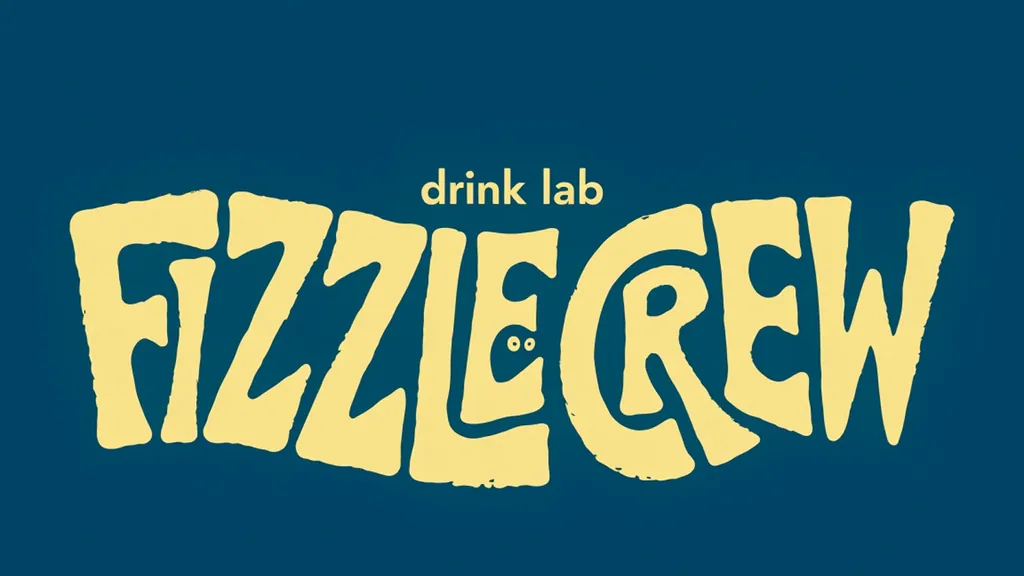
Logotype
Give the brand name, the lettering style and the palette, and ask for the name centred on a plain background. Rerun with one change, such as a rounder script or a stencil cut, to compare directions.
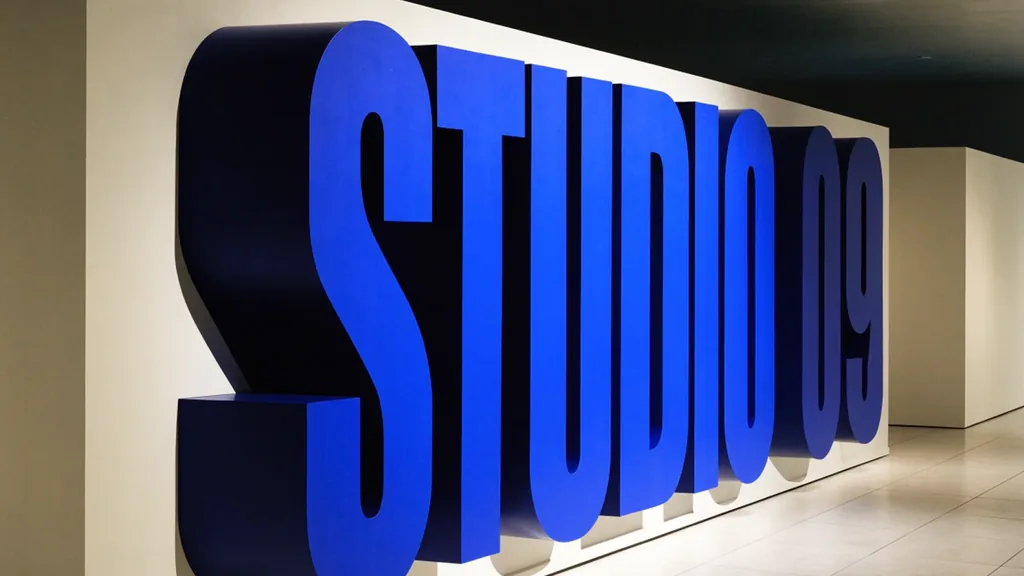
Signage
Say how the letters are built: extruded, backlit, painted or mounted. Naming the material and the light is what makes a sign look installed rather than drawn.
Illustration
The same scene can move toward a flat comic panel or a surreal cover image. Describe the action, the medium and the camera, then rerun to compare compositions.
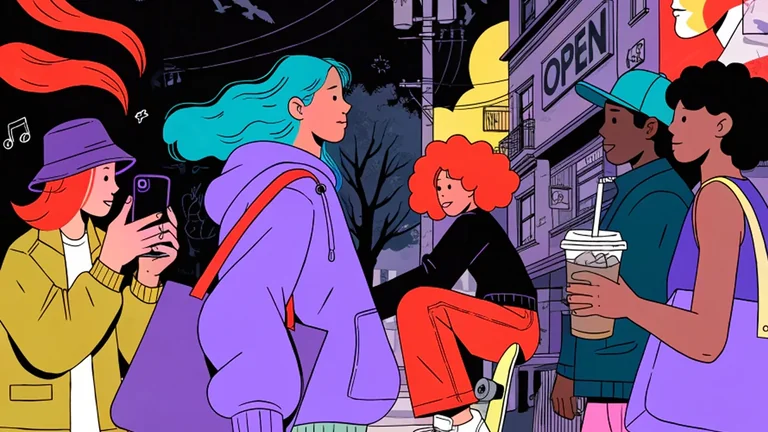
Storybook
Say who is in the frame, what just happened and how each character reacts. Name a medium such as flat-colour comic art or gouache so the whole scene shares one drawing language.
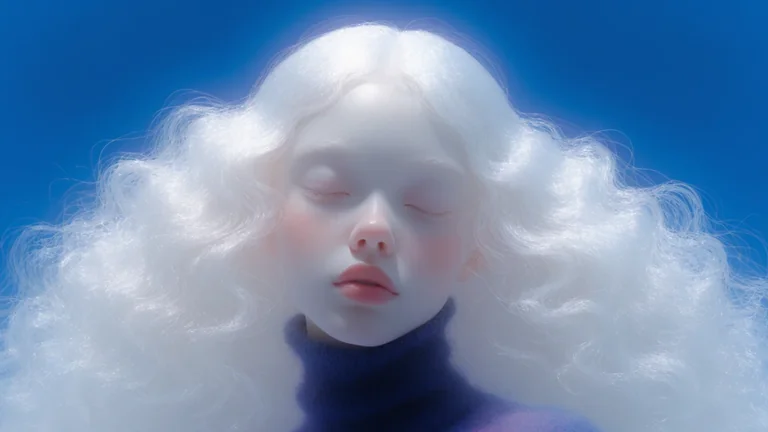
Editorial
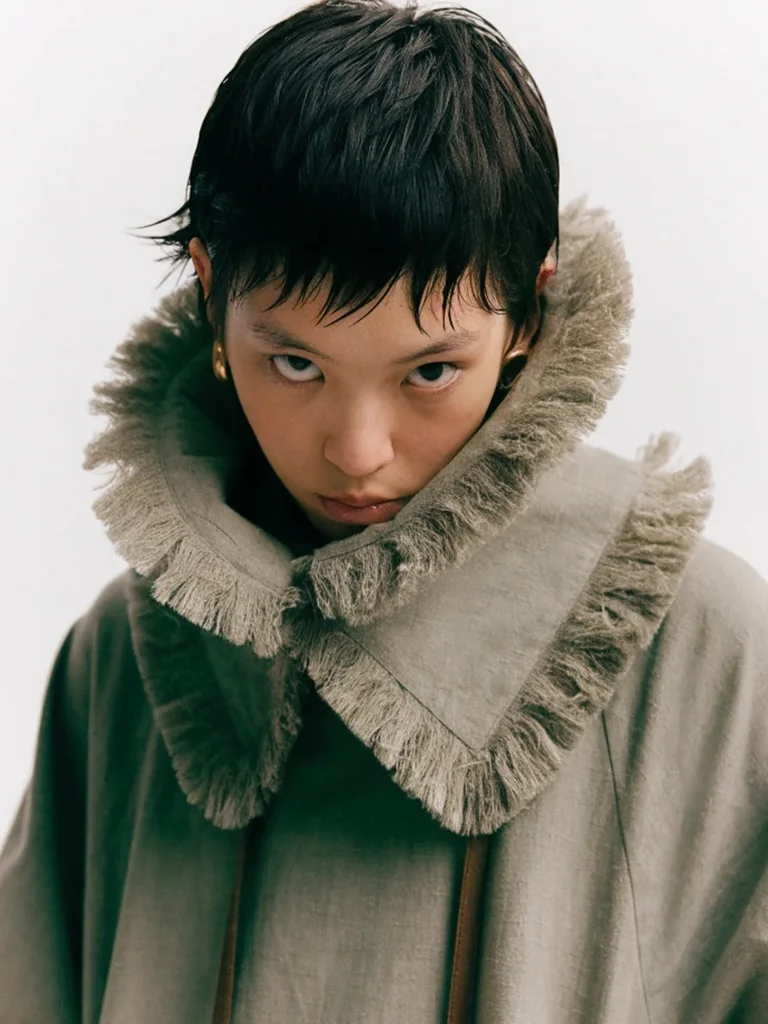
Pick an idea you can read in a second, such as hair shaped like a cloud, then vary the crop. One strong shape survives better than several competing props.
Read the numbers with their method: a public preference board, a vendor benchmark and a separate blind-vote arena. Every figure repeats its source and read date; Elo is not a quality percentage.
No listed model was both faster and more preferred, so Flash V2 sits on the board's preference-speed frontier. Its Elo ties Flash V1; Recraft V4.1 is 32 points higher.
Recraft quoted these figures on release day. They come from a different date and entrant pool than the current snapshot, so the two Elo readings are not a like-for-like trend.
Recraft ran its own model through its API and competitors through fal or Runware, over 100 shared prompts. Downloads were excluded; queue and download time on Oeneo AI is measured separately.
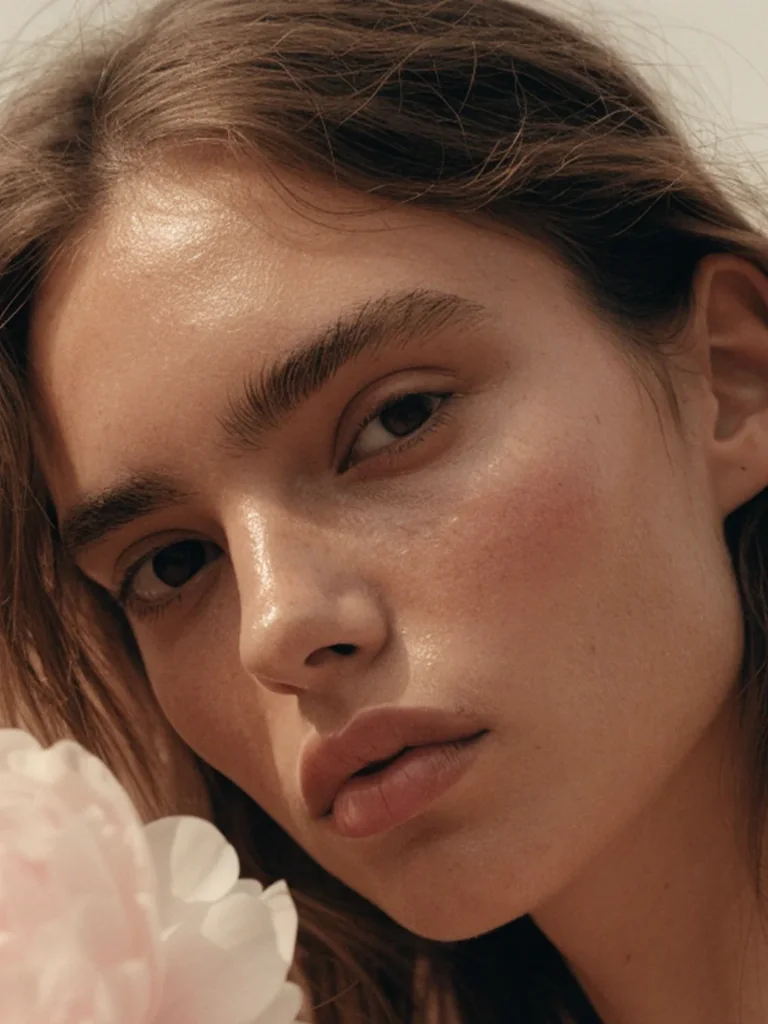
A separate voting pool from DesignArena, so read the two Elo scales independently. Flash V2's strongest Arena category is portraiture; text rendering and product design sit in the same band.
One DesignArena Image Overall snapshot read on November 24, 2026: mean generation time, preference Elo, match count and the board's listed cost per image. Models with a page link open in the same Workbench.
| Model | Mean time | Preference Elo | Matches | Board cost per image |
|---|---|---|---|---|
| Recraft V4.1 Flash V2 | 1.484 s | 1158 | 5,074 | $0.007 |
| Recraft V4.1 Flash V1 | 1.962 s | 1158 | 11,336 | $0.007 |
| Z-Image Turbo | 4.119 s | 1142 | 37,984 | About $0.005 |
| FLUX.2 Klein 9B | 5.418 s | 1154 | 138,476 | $0.015 |
| Recraft V4.1 | 15.170 s | 1190 | 19,770 | $0.035 |
| Recraft V4.1 Pro | 21.910 s | 1206 | 12,638 | Not listed |
| Nano Banana 2.1 | 22.485 s | 1346 | 9,129 | $0.08 |
| GPT-Image-2.5 Sunburst | 25.338 s | 1451 | 14,615 | $0.053 |
| Seedream 5.5 | 27.966 s | 1323 | 2,334 | About $0.04 |
Flash V2 follows a clear brief quickly, so most of the gain comes from separating the job, the lettering and the light into their own sentences.
Lead with the job the image does
Say whether it is a poster, a packshot, a shop sign or a story page before you describe the style. The model then composes for that format.
Quote the exact words and place them
Write the headline in quotes, then its position, size and the space around it. Keep each line to a few words and check every letter in the result.
Choose the ratio for the layout
For a vertical poster pick 3:4 or 9:16; for a wide sign or room pick 16:9. Say which side stays empty when a title will be added later.
Name the camera and the light
For product shots, give an angle and a light direction, such as a three-quarter view with soft side light. For illustration, name the medium and the character's expression.
Asking for body copy
Flash V2 is reliable on short lines, not paragraphs. Set longer text in a layout tool after you choose a direction.
Crowding the title
Several props, badges and logos compete for the same space. Give the headline its own area if it has to stay readable.
Rerunning the same prompt unchanged
Change one variable between drafts: the headline position, the camera angle or the light. That is how you compare directions instead of rolling the dice.
Expecting vector or editable text
Output is raster, with lettering baked into the pixels. Trace a chosen image in Image Vectorizer if you need SVG.
Example prompt: A teal exhibition poster with the exact headline "PAPER MOON" in bold cream capitals across the top. A cut-paper crescent moon sits in the lower half, studio light from the left, clear space around the headline, vertical 3:4 frame.
Specs come from the model configuration and the credit quote is live. The evaluation figures elsewhere on the page were read on November 24, 2026.
Each model has its own page and runs in the same workbench on one credit balance.
 Black Forest Labs
Same board: 5.418 s mean, Elo 1154, more matches. Slower, close in preference.
View model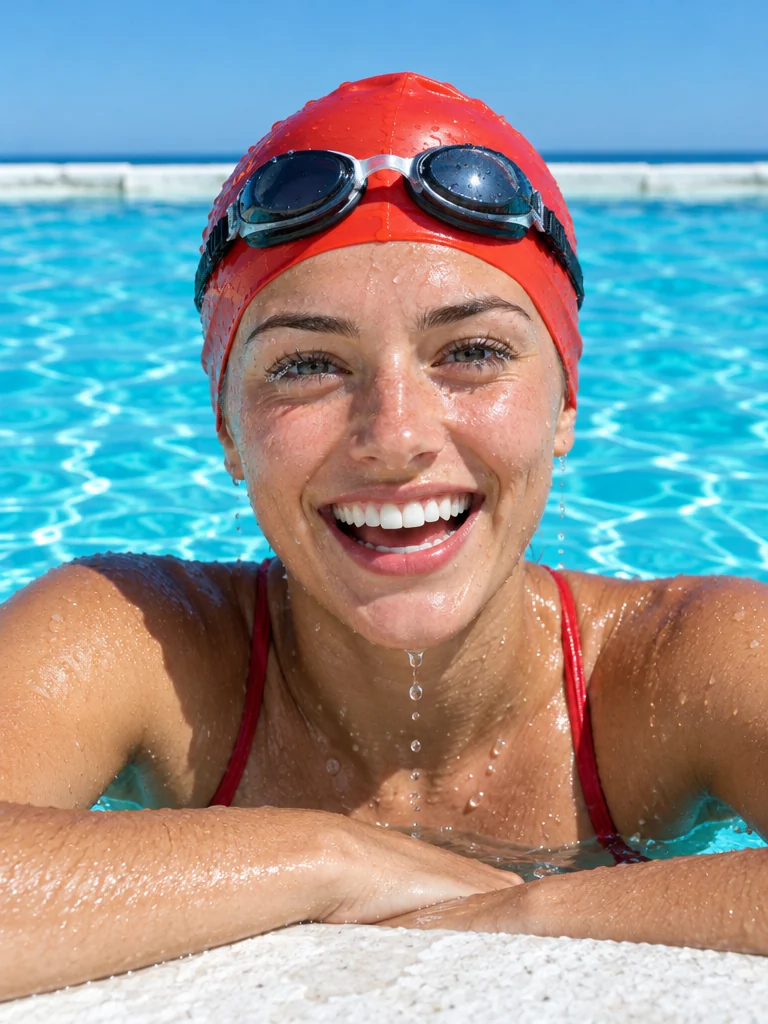
 Alibaba
Same board: 4.119 s mean and Elo 1142. Its listed cost per image is lower.
View model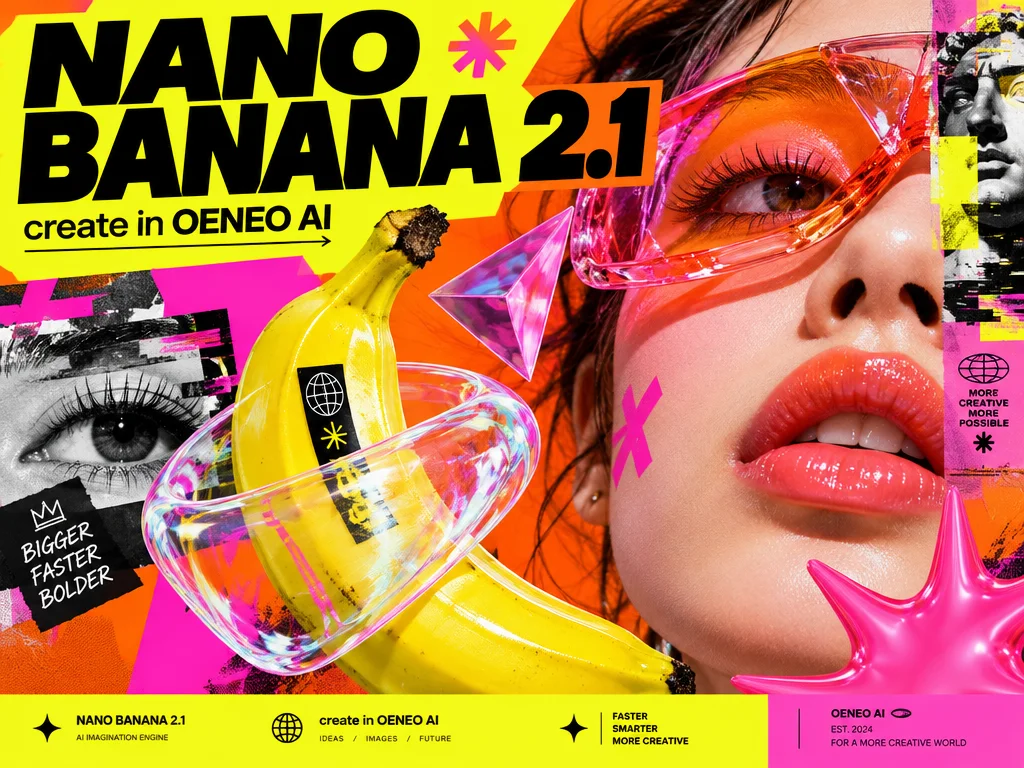
 Google
Same board: Elo 1346 at a 22.485 s mean. Higher preference, far slower.
View model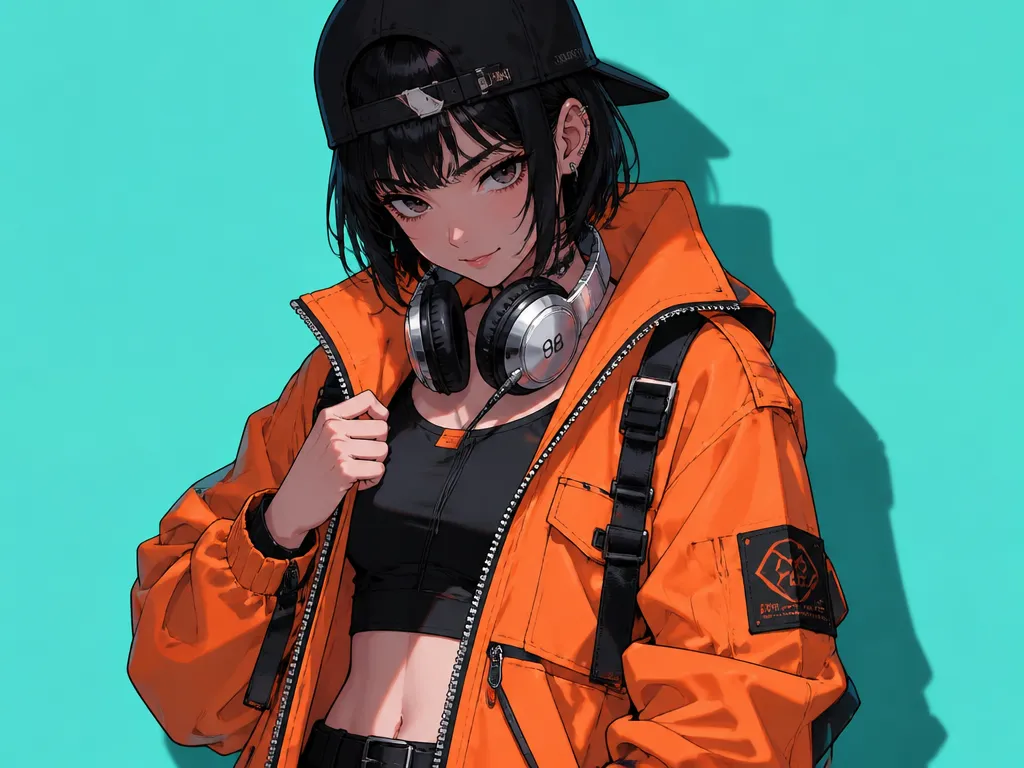
 OpenAI
Same board: Elo 1451 at a 25.338 s mean. The top preference score here, at a higher price.
View modelRemove the background, upscale, vectorize or denoise any result, all on the same credit balance.
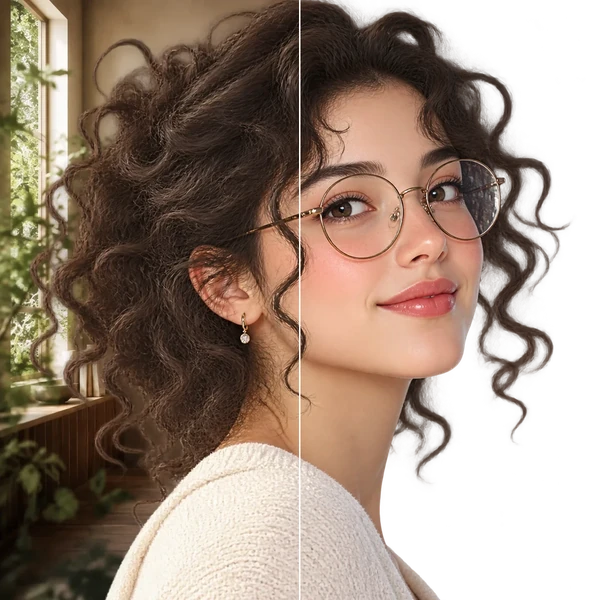
Transparent PNG or WebP with clean hair and product edges, ready for a listing or a new composition.
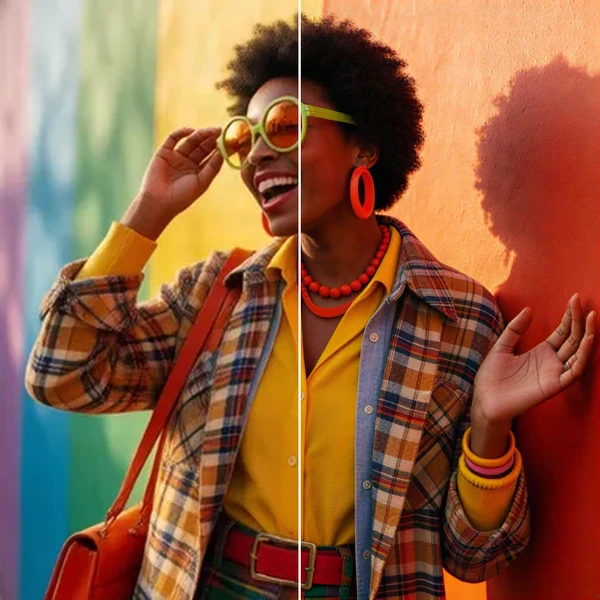
2× / 4× / 8× with recovered texture instead of smeared pixels, so a 1K draft can become a print.
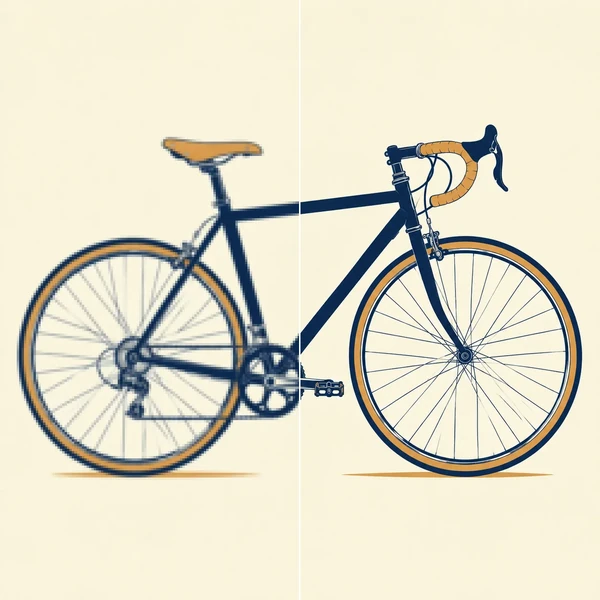
Logos, icons and flat illustrations become editable SVG that scales to any size.
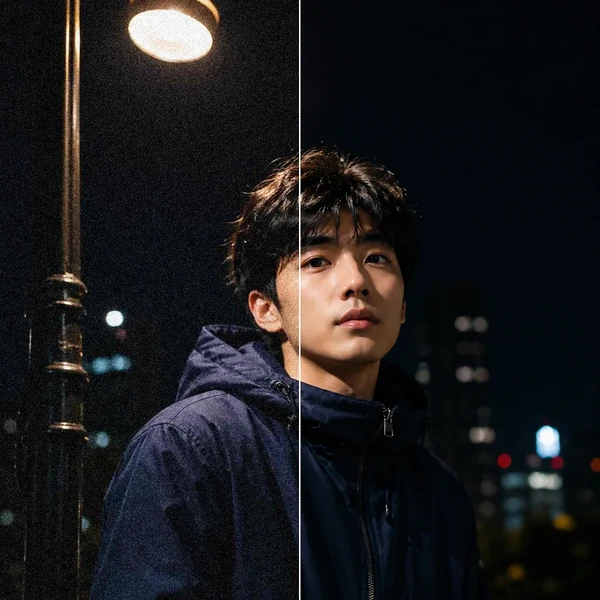
Remove grain and compression artifacts from low-light photos and scans while keeping real detail.
Direct answers on speed, leaderboard rank, lettering accuracy, credits and output limits.
Recraft V4.1 Flash V2 is Recraft's fast text-to-image model. Recraft released it on November 13, 2026, and fal listed the endpoint on November 23, 2026. It takes a text prompt and returns one 1K raster image per run, aimed at the first pass of poster, packaging, signage and illustration ideas.
On the November 24, 2026 DesignArena snapshot Flash V2 averaged 1.484 s per image, the fastest of the timed entries; Flash V1 averaged 1.962 s and FLUX.2 Klein 9B 5.418 s. Recraft's own benchmark reports a 1.1 s median. Time on Oeneo AI also includes queueing and download, so treat these as model-side figures.
DesignArena's November 24, 2026 Image Overall board gives it Elo 1158, level with Flash V1. Arena.ai's November 21, 2026 text-to-image leaderboard places it at #62 of 87 with Elo 1098 ±6. The two boards use different vote pools and scales, and both keep moving, so compare snapshots rather than treating either as a final score.
Short phrases work best: a brand name, a headline, a sign. Put the words in quotes, state the type style, position and surrounding space, then read every letter at full size before using the image. Recraft's launch post focuses on lettering gains, but no public test gives a spelling accuracy rate, so treat longer or non-Latin text as unverified.
New accounts receive 10 credits, and each Flash V2 image costs 2 credits, so the bonus covers about 5 drafts. The Generate button shows the exact charge before you submit, and failed tasks are refunded.
No. Flash V2 returns a raster image and the lettering becomes part of the pixels. If you need a vector version, choose a result you like and run it through Image Vectorizer; expect to redraw small text by hand.
No. Its input is text only, with no reference-image field. For image editing, upscaling or background removal, use the image tools linked on this page; to generate from your own product or person, pick a model that accepts references.
Flash V2 generates 1 image per run. To explore alternatives, rerun the prompt with one change, such as the headline position or the camera angle.
Oeneo AI offers 1:1 / 4:3 / 3:4 / 16:9 / 9:16 at 1K, and Auto uses a square frame. For print-sized output, enlarge a chosen result with Image Upscaler.
On the November 24, 2026 board, Flash V2 and Flash V1 share Elo 1158, while Flash V2 is faster (1.962 s for V1). Recraft V4.1 scores 1190 and V4.1 Pro 1206, with longer generation times. Use Flash V2 for quick directions, then move to a higher-scoring model once the composition is settled.
Paid plans include a full commercial license; the Lifetime plan covers personal commercial use (see Pricing). The fal endpoint is listed for commercial use. You are still responsible for what an image shows, such as real people, trademarks or existing artwork.
Bring a headline, a packaging brief or a story scene. Check the 2-credit quote, generate, then rerun the direction you like.